

What Local Businesses Actually Need From Their Website
I read a post on LinkedIn the other day. The TL;DR was that a cheap website is often the most expensive thing you’ll ever buy… and it got me thinking.
Over the years, we’ve worked with businesses in and around Doncaster, from Askern and Carcroft to Bawtry, Bessacarr, Sprotbrough and beyond.
You can see some examples of that local work in our portfolio, including projects for Flexible Exercise and Norton Parish Council.
Different sectors, different budgets, different ambitions. Yet the same truth keeps cropping up… most businesses do not need a flashy website. They need a website that looks credible, explains what they do clearly and makes it easy for the right people to get in touch.
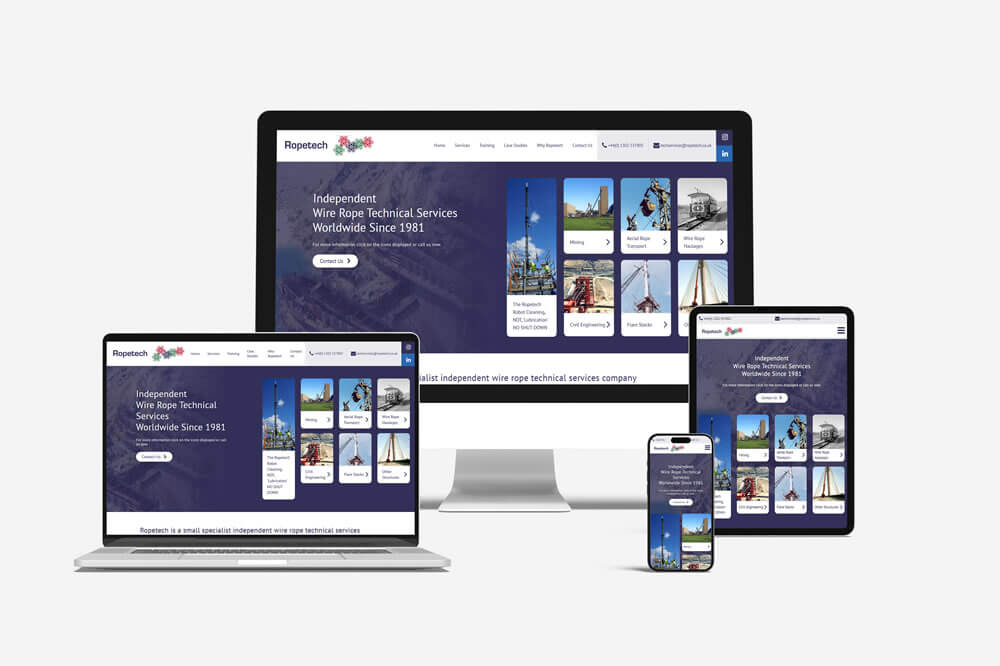
There is no shortage of advice online about what a business website “should” have, or how much it could cost.
Usually it is written in broad, sweeping terms. More traffic. Better conversions. Stronger SEO. Improved engagement. All technically true, I suppose. But not always particularly helpful if you are a real business owner in Doncaster just trying to work out what your website actually needs to do.
The truth is, most local businesses do not need a bloated website packed with gimmicks, endless pages or marketing fluff. They need a website that looks credible, explains what they do clearly and gives the right people confidence to get in touch.
Over the years, we have helped businesses across Doncaster and the wider area, from smaller independents to established SMEs. Different sectors, different budgets, different priorities, but the same pattern comes up time and again. A good local business website usually needs to get a few important things right, rather than trying to do everything.
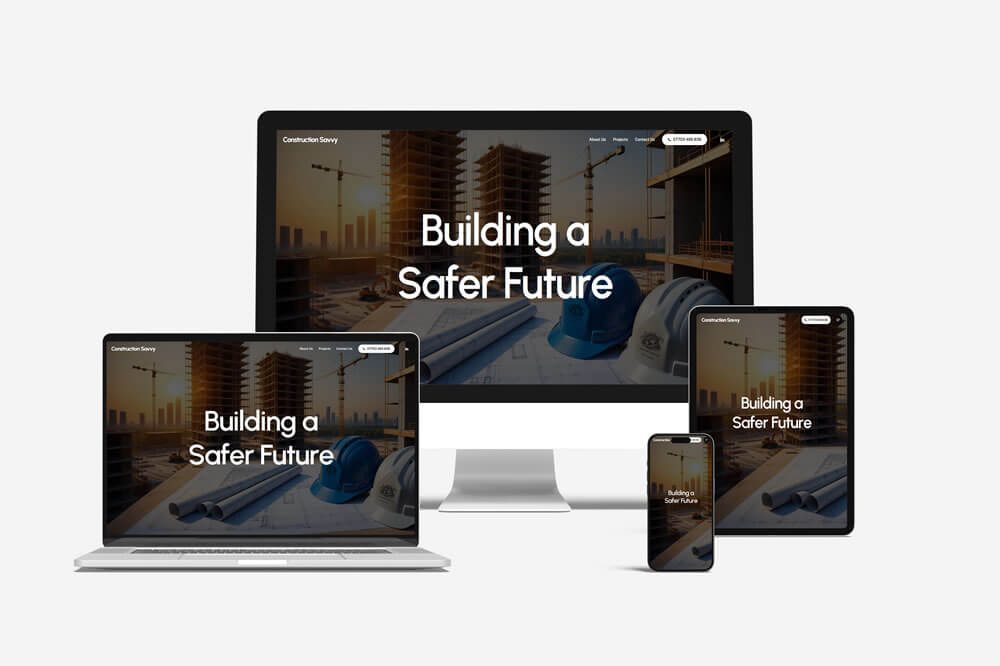
A website that makes the business look credible
This sounds obvious, but it matters more than many people realise.
For a lot of businesses, the website is not the whole sales process. It is the first impression. Someone hears your name, gets referred to you, spots a vehicle, sees a leaflet, notices your signage or finds you through search, then checks the website to see whether you look established and trustworthy.
That means the basics matter:
- Clear layout
- Decent typography
- Consistent branding
- Professional imagery
- No broken pages
- No outdated content that makes the business feel abandoned
People do not always analyse these things consciously, but they absolutely notice them.
A poor website can make a perfectly good business look smaller, older or less capable than it really is. A well-designed one does the opposite. It reassures people.
Clear messaging about what you do
A surprising number of websites still fail at the most basic job… explaining what the business actually does.
If somebody lands on the homepage, they should not have to go on a treasure hunt to work it out.
- What do you do?
- Who do you do it for?
- Where do you work?
- What makes you a sensible choice?
That does not mean screaming sales copy everywhere. It just means clarity.
For local businesses especially, being clear often beats trying to be clever. A strong local website should quickly tell people they are in the right place.
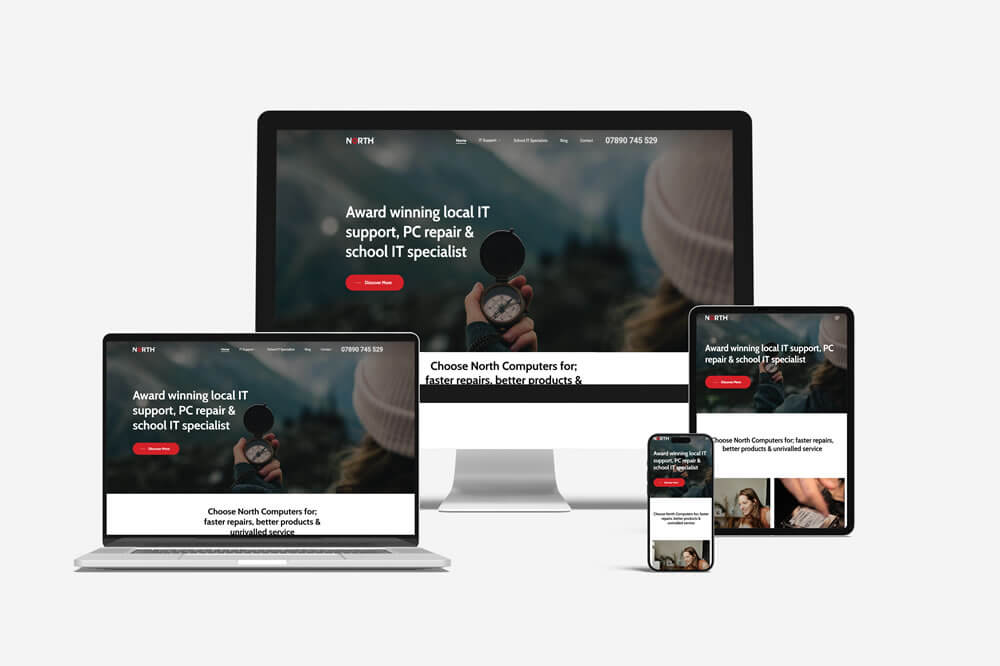
Mobile usability is no longer optional
Most people checking out a local business are not doing it from a giant desktop monitor in perfect conditions.
- They are on their phone
- They are distracted
- They may be comparing three or four businesses at once
- They may simply want a phone number, an email address, a service overview or an idea of whether you look the part
So yes, mobile-friendly design matters. But not just in the technical sense.
It needs to be easy to read. Easy to tap. Easy to navigate. Easy to contact you.
If the site looks awkward on mobile, has tiny text, confusing menus or contact details buried three clicks deep, that is where enquiries start to leak away.
A simple route to contact
This is another one that gets overcomplicated.
A lot of local businesses do not need elaborate funnels. They need a straightforward path from interest to action.
That might mean:
- A visible phone number
- A clean contact form
- A sensible call to action
- A clear service page
- Location details where relevant
- Strong reassurance that there is a real person behind the business
Too many websites make people work too hard.
If somebody is ready to enquire, do not put obstacles in their way.
Local visibility matters, but it should never feel forced
There is a difference between building local relevance and stuffing a page with place names.
If your business works in Doncaster and surrounding areas, say so naturally. If you help companies in Askern, Carcroft, Bessacarr, Sprotbrough, Mexborough, Barnsley and beyond, that can absolutely have a place in your content, provided it is true and relevant.
The point is not to force locations into every paragraph. The point is to give search engines and real people enough context to understand where you work and who you help.
That usually comes down to a few sensible things:
- Good page titles and descriptions
- Clear service copy
- Location relevance where appropriate
- Consistent business information
- Genuinely useful content rather than filler
Local SEO is important, but it works best when it grows out of a well-built, believable website rather than being smeared on top afterwards.
Branding still matters
A lot of businesses think of branding as the optional extra. The nice bit. The surface layer.
In reality, branding is often the thing that helps everything else feel more joined-up and more trustworthy.
The logo, colours, typography, tone of voice, printed materials and website do not need to be over-designed. They just need to feel like they belong together.
When that consistency is there, the business feels more established. More considered. More professional.
When it is missing, even good businesses can look a little pieced together.
That is one reason web design should not be treated in isolation. For many local businesses, the website works hardest when it is part of a broader, consistent identity, something we explored with Metalliform Holdings in Barnsley, among others.
A website you can actually live with
A business website has to work in the real world, not just on launch day.
That means it should be manageable. Easy to update. Flexible enough to grow. Not dependent on a ridiculous stack of plugins, workarounds or over-engineered features.
The right website is not always the one with the most bells and whistles. Usually it is the one that still feels useful, clear and maintainable a year or two later.
That matters for local businesses, because most do not have time to babysit their website every week. They need something solid.
What local businesses usually do not need
This might be the most useful bit.
In many cases, local businesses do not need:
- Dozens of pages for the sake of it
- Flashy effects that slow everything down
- Vague, over-polished copy with no personality
- Complicated user journeys
- Trends copied from much larger brands
- A website built to impress other designers rather than actual customers
What they do need is confidence in the basics.
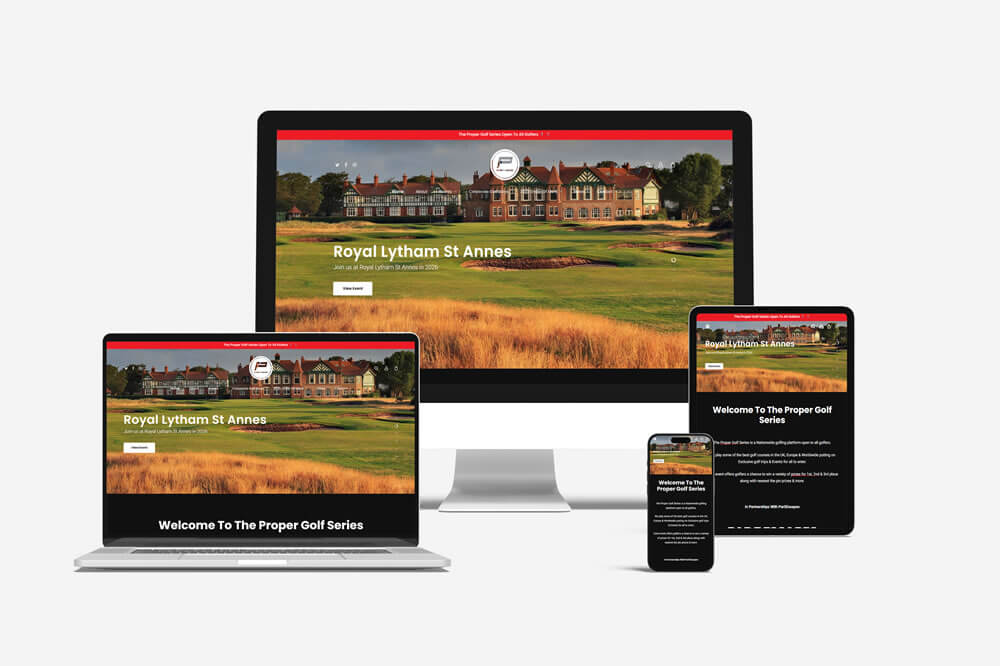
A good-looking, well-structured site with clear messaging, strong contact routes and consistent branding will usually outperform a more complicated site that has lost sight of its purpose.
Final thoughts
For most local businesses, a website should do something fairly simple, but important.
- It should make the business look credible
- It should explain what the business does
- It should help the right people take the next step
That is really the heart of it.
If you are a business in Doncaster and your current website feels dated, unclear or not quite representative of where the business is now, it may not need a complete reinvention. But it probably does need a more thoughtful, joined-up approach.
And that usually starts by being honest about what the website is actually there to do.
If you'd like to see how we've approached this for other businesses across South Yorkshire, take a look at our portfolio.

If you’d like to speak to us about how our multi-award-winning web design can guide your company through its digital journey, get in touch today, call 01302 513 515, email [email protected] or complete the form on the contact page.